
From the very first sip, it takes only about five minutes for alcohol to reach your brain, where it immediately begins to exert its effects. Alcohol tolerance can affect the extent to which a person feels intoxicated. People who frequently drink may feel less drunk than those who do not. People with alcohol use disorder may not feel drunk at all, even when their BAC is very high. Your body functions will slow so much that you will fall into a coma, putting you at risk of death.
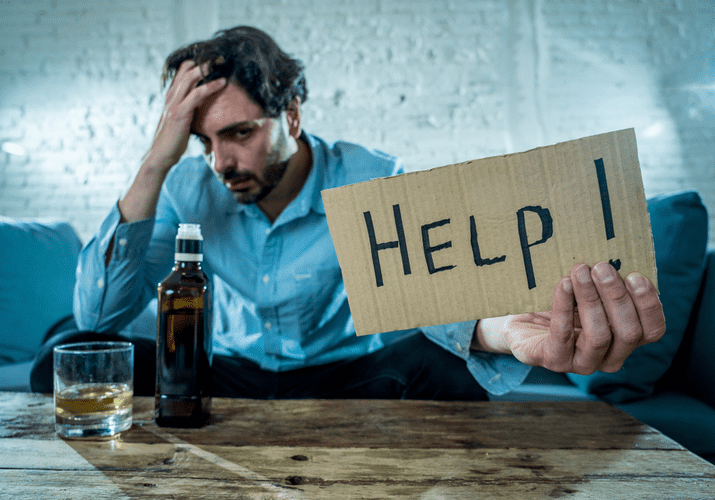
The 7 Stages of Being Drunk

When alcohol is consumed rapidly, the body may not have enough time to metabolize it effectively, leading to a higher BAC and a more pronounced level of intoxication. On the other hand, spacing out alcohol consumption allows the body to process and eliminate alcohol gradually, resulting in a lower BAC and a milder level of intoxication. Metabolism also influences intoxication levels as it affects how quickly the body processes and eliminates alcohol. Individuals with higher metabolic rates may metabolize alcohol more efficiently, leading to a faster elimination of alcohol from the body. As a result, they may experience a lower level of intoxication compared to individuals with slower metabolism. Understanding the different levels of intoxication is important for both individuals who consume alcohol and those around them.
Duration of Effects
Because alcohol changes the way the brain processes information, it also makes it difficult https://card.travelindiatourism.com/life-expectancy-with-fatty-liver-disease-what-to/ for people to make suitable decisions or assess their own behavior. For example, people who are very drunk might underestimate how intoxicated they are. Usually a man will start to feel tipsy after consuming 2 to 3 alcoholic drinks in an hour.
How Alcohol Affects Emotions and Behavior
It’s also Alcoholics Anonymous causing the brain to struggle with basic motor skills. Alcohol might seem like a friendly social lubricant, but it’s a sneaky one, quietly infiltrating our brain and bodily systems. Its first stop is the central nervous system — the brain — command central for all our actions, thoughts, and feelings.
- Since alcohol can increase the body’s production of dopamine and serotonin, two of the body’s ‘happy hormones’, it can temporarily make us feel less anxious.
- Simultaneously, it inhibits glutamate, which has excitatory effects, further contributing to the depressant effects of alcohol.
You can speak to your GP, and get advice and help at You can also find further information and advice on our website. Many believe that while alcohol impairs decision-making, it doesn’t significantly impact physical abilities. This misconception can lead to risky behavior, such as drunk driving. In reality, alcohol impairs coordination, balance, and reaction times, making physical tasks much more dangerous while intoxicated. When you drink does being drunk feel good alcohol, your body metabolizes it through your liver, but the effects start long before your liver has finished processing it.